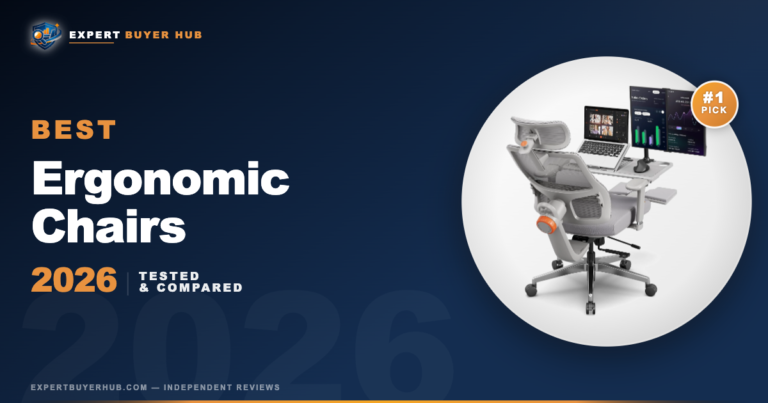
Whether you’re finally upgrading to an ergonomic chair that actually delivers on lumbar support after years of back pain, mounting a monitor arm to reclaim the desk space that a plastic tilt stand has been wasting, or finding a desk organizer that turns morning paper chaos into a workable system, our office and productivity buying guides prioritize all-day comfort and genuine workflow efficiency. We test for 8-hour usability and long-term build quality — not just a compelling first impression in a showroom or an unboxing video.
Showing all 7 Office & Productivity guides currently published.
We compared five wireless keyboards for work, typing comfort, battery life, layout, noise, multi-device use, and desk setup. These are the picks we would buy in 2026.
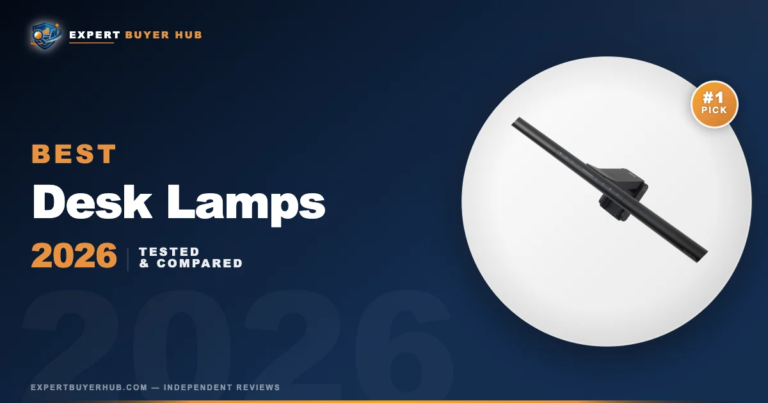
We tested the top 5 desk lamps of 2026 side by side. See our expert ratings, pros & cons, and find the best desk lamp for your home office or workspace.
We tested 12 laptop stands to find the best of 2026. Expert picks from budget to premium — BoYata, Twelve South, Rain Design, and more. Full reviews with pros, cons,…
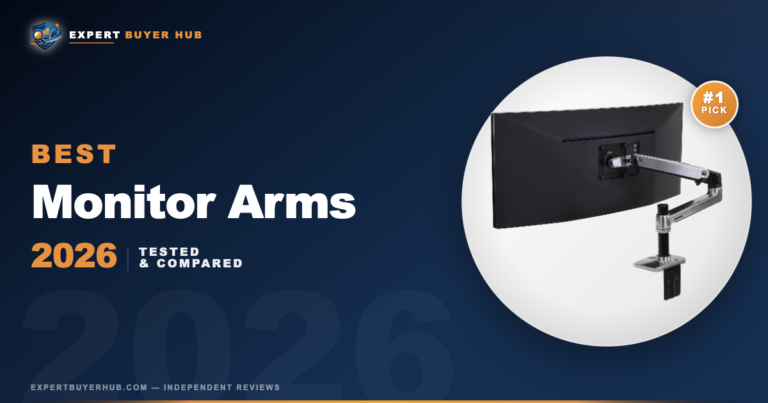
We tested the top 5 monitor arms of 2026 side by side. See our expert ratings, pros & cons, and find out which monitor arm delivers the best ergonomic value.
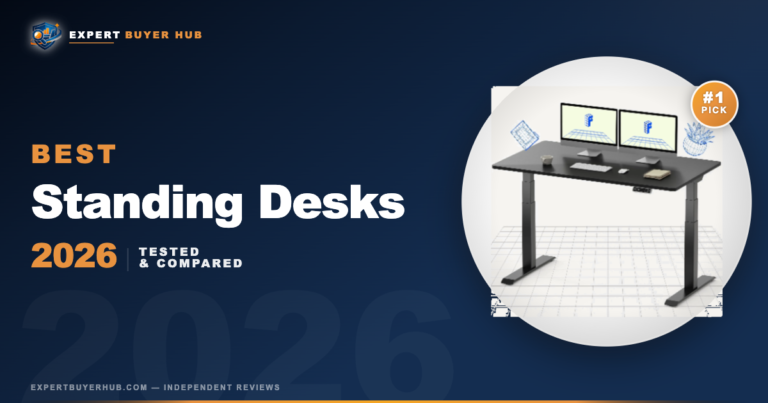
We tested the top 5 standing desks of 2026 side by side. See our expert ratings, pros and cons, and find out which standing desk delivers the best value.
Our office and productivity product reviews follow our 4-pillar testing protocol — ergonomic comfort during extended 8-hour use sessions, build quality and structural integrity under daily load-bearing use, compatibility with common desk configurations including sit-stand, corner, and narrow setups, and value across budget and premium tiers. Every recommendation is validated through a minimum of two full work weeks of daily use. Read more about our full methodology.
Frequently Asked Questions
What should I upgrade first in a home office?
Upgrade the item causing the most daily discomfort. For many people that is the chair, monitor height, keyboard, lamp, or desk surface. A small ergonomic fix can matter more than a flashy gadget.
How much should I spend on office gear?
Spend more on anything you touch for hours: chairs, keyboards, desks, and monitor arms. You can usually save on accessories that do not affect posture, typing, lighting, or screen position.
Are premium office products always better?
No. Premium products can be worth it for adjustability, stability, and long warranty support, but some mid-range picks give better value for normal home work. Our guides separate comfort upgrades from brand premiums.
What makes an office product a bad fit?
The most common misses are wrong size, poor adjustability, noisy operation, weak clamps, or features built for a different workflow. We try to spell out who should skip each pick.