Whether you’re gearing up for a night hike with a reliable headlamp, selecting trekking poles for your first alpine route, or choosing a GPS watch that tracks elevation gain without dying in the first five miles, our outdoor and sports buying guides are shaped by field testing — not spec comparisons in a conference room. We evaluate gear across real trail conditions, temperature extremes, and the kind of sustained use that exposes every design weakness and separates genuinely trail-worthy equipment from gear that only looks good on a product page.
Showing all 8 Outdoor & Sports guides currently published.
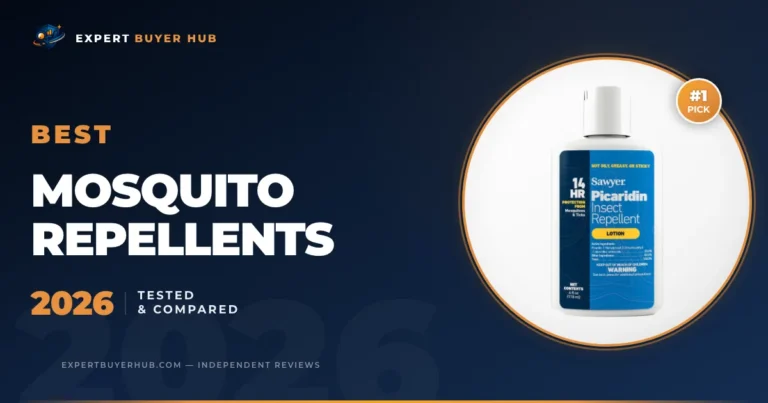
We compared five mosquito repellent formats for patios, camping, travel, and everyday outdoor use, prioritizing EPA-backed active ingredients and honest use-case fit.
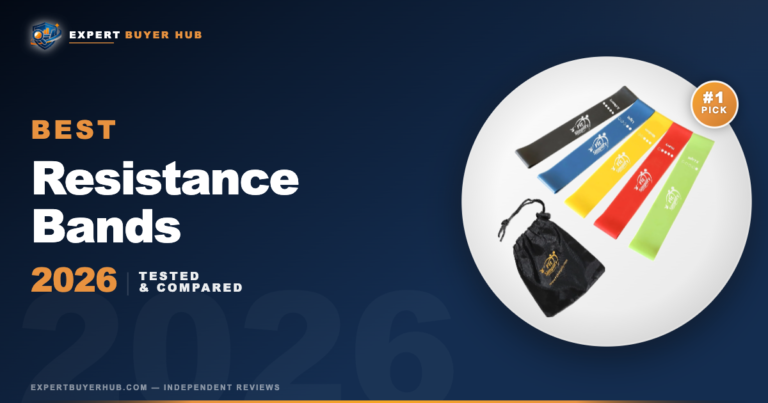
As an Amazon Associate, Expert Buyer Hub earns from qualifying purchases. This does not affect our recommendations or editorial integrity. The best resistance bands…
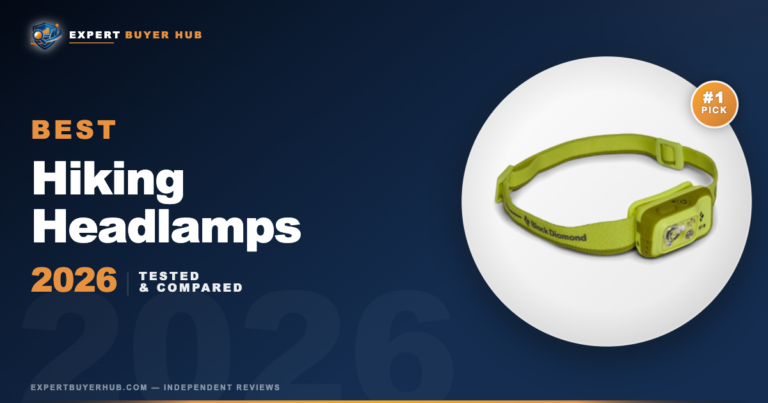
We tested 12 hiking headlamps to find the best options for 2026. See our top 5 picks with expert ratings, pros and cons, and find the right headlamp for your budget.
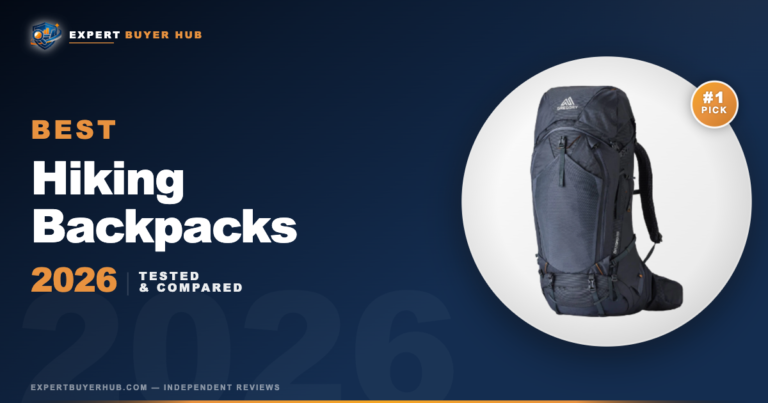
We tested the top 5 hiking backpacks of 2026 side by side. See our expert ratings, pros & cons, and find out which hiking backpack delivers the best value for every…
Our outdoor and sports product reviews follow our 4-pillar testing protocol — real-world field performance across varied terrain and weather, durability under physical stress and repeated use cycles, accuracy of GPS and altitude sensors, and weight-to-performance ratio for backpacking viability. Each category receives a minimum of 20 hours of active outdoor use before we publish recommendations. Read more about our full methodology.
Frequently Asked Questions
How do I choose outdoor gear without overbuying?
Match the gear to the hardest trip you actually take, not the trip you imagine taking someday. Weekend camping, beach days, day hikes, and backyard use need different levels of durability and packability.
What outdoor features are worth paying for?
Pay for weather resistance, stable hardware, comfortable carry, and parts that are easy to repair or replace. Skip gimmicks that add weight but do not improve the way you use the product outdoors.
Are lightweight outdoor products less durable?
Sometimes. Good lightweight gear uses stronger materials and cleaner design. Cheap lightweight gear often saves weight by using weaker frames, thinner fabric, or smaller fasteners.
How do EBH outdoor guides handle safety claims?
We avoid treating a product as a safety guarantee. For outdoor and sports gear, we focus on fit, realistic use limits, weather conditions, and when a buyer should choose a more rugged option.