Use these automotive guides to compare compatibility, power, mounting, diagnostic coverage, and the limits that matter before you buy. Evidence varies by guide: some pages compare manufacturer documentation and official support material; hands-on claims appear only when an article documents the test. Check each guide’s method and vehicle-fit notes before relying on a recommendation.
Showing all 6 Automotive guides currently published.
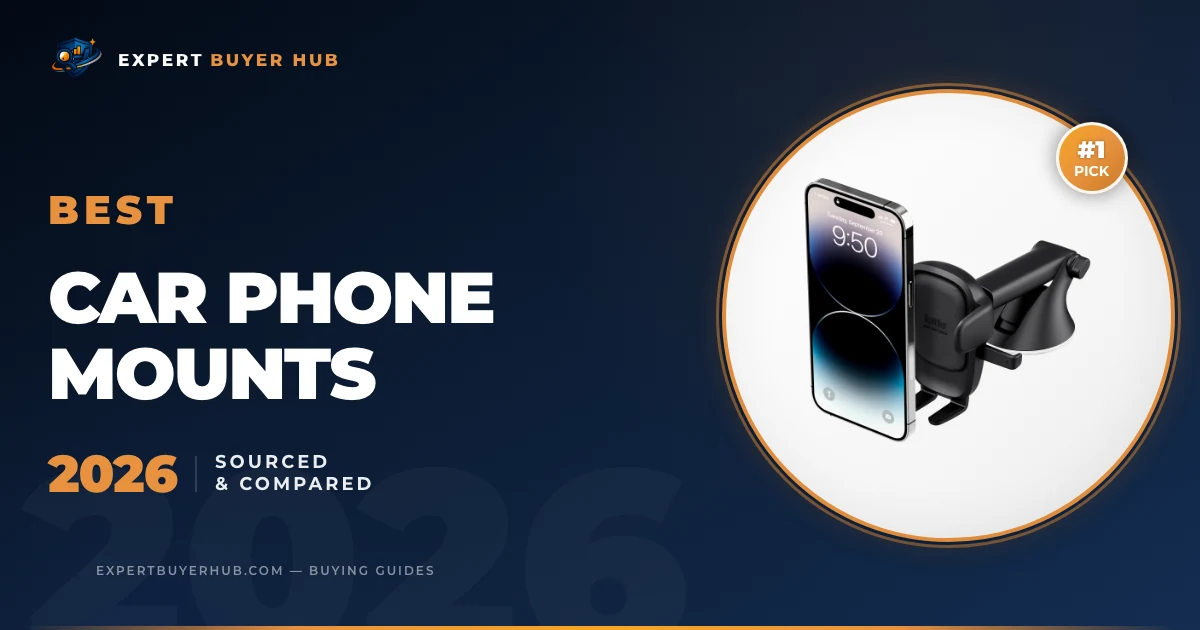
We compared five car phone mounts using manufacturer documentation, compatibility information, mount type, adjustability, and installation requirements.
We compared five jump starters using exact-model manufacturer specifications, engine limits, battery details, safety instructions, and practical storage trade-offs.
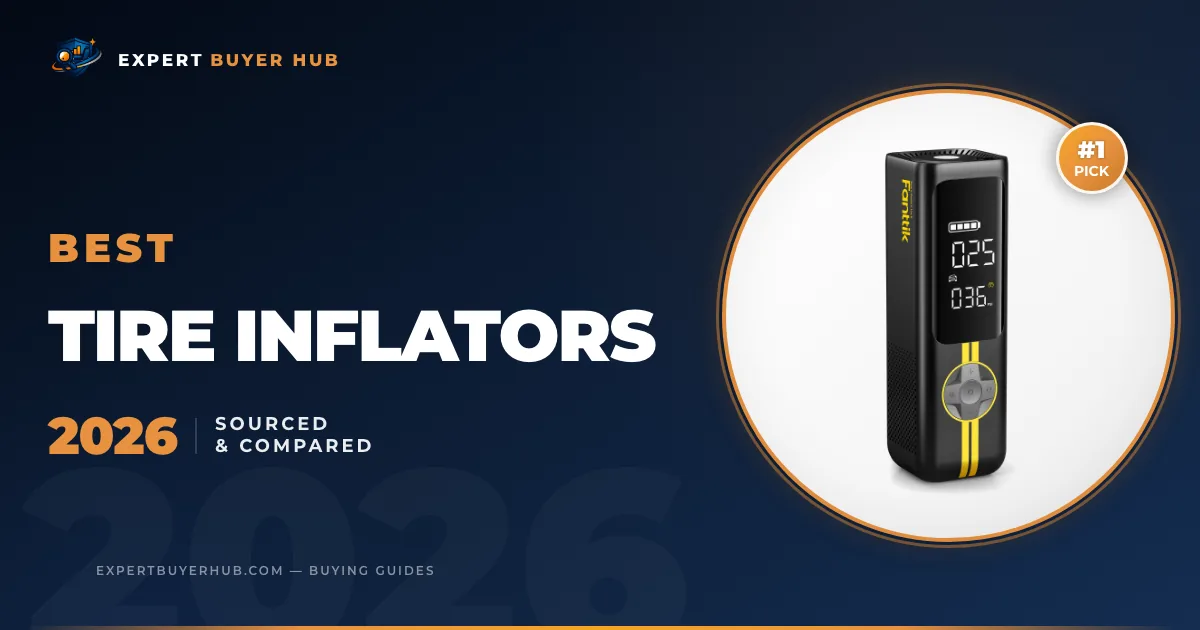
We compared five tire inflators using current manufacturer documentation, including power options, published benchmarks, vehicle limits, auto-stop behavior, and what comes in the box.
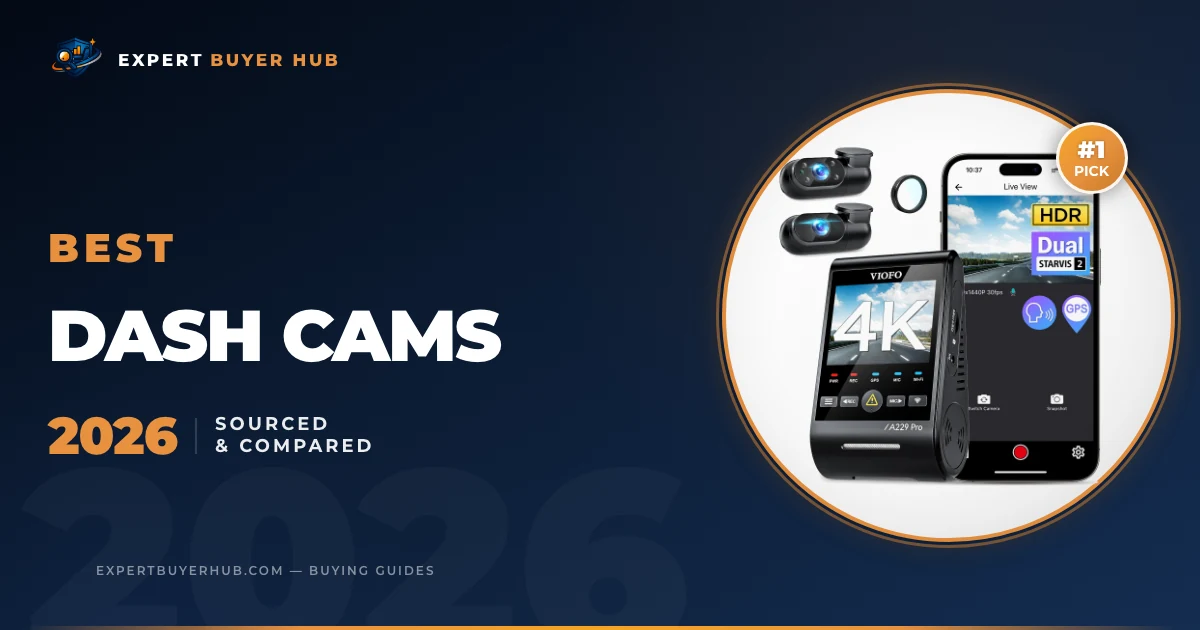
We compared five dash cams using exact-model manufacturer documentation, recording coverage, connectivity, storage limits, parking-mode requirements, and installation trade-offs.
We check exact-model documentation, compatibility, operating requirements, safety limits, and clearly stated trade-offs. When a controlled test log is not available, the guide says so and stays documentary. Read more about our full methodology.
Frequently Asked Questions
What should I check before buying automotive accessories?
Check compatibility first: vehicle size, power source, mounting method, app support, and whether the product fits your actual driving routine. A good accessory should solve a real problem without making the car harder to use.
Are budget car tools and accessories worth it?
Budget picks can be fine for simple jobs, but we are more cautious with products tied to visibility, diagnostics, batteries, or roadside use. Reliability matters more when the product is used during a stressful moment.
Do EBH automotive guides replace professional advice?
No. Our guides help compare consumer products and use cases. For repairs, safety systems, warning lights, or legal compliance, follow your vehicle manual and a qualified mechanic.
What automotive features are usually overhyped?
Overly broad app claims, inflated power numbers, and vague “pro-grade” labels are common. We look for practical fit: clear setup, dependable hardware, useful included accessories, and credible owner feedback.