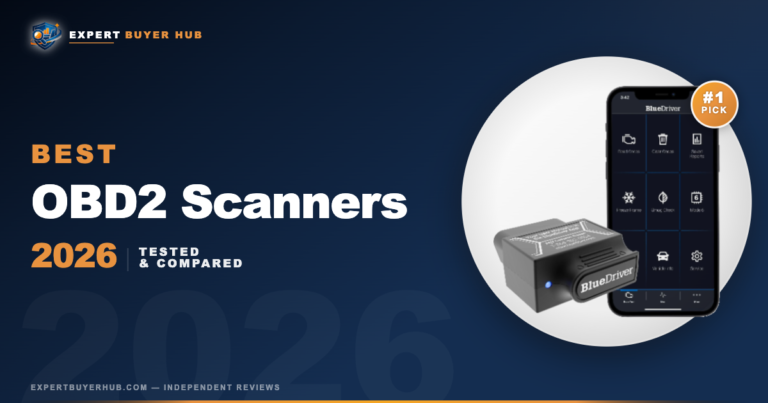
Whether you’re diagnosing a mysterious check engine light with an OBD2 scanner, keeping a dash cam running during a daily commute, or making sure a reliable jump starter lives in your trunk for winter emergencies, our automotive buying guides are built on real-vehicle testing. We evaluate performance across a wide range of makes and models — not just compact sedans — factoring in ease of installation, durability under temperature extremes, and long-term reliability. Every recommendation is backed by hands-on testing so you know exactly which automotive accessories are worth your money and which ones overpromise on the packaging.
Showing all 6 Automotive guides currently published.
We tested the top 5 car vacuums of 2026 side by side. See our expert ratings, pros & cons, and find out which car vacuum delivers the best value for your budget.
We tested the top 5 car phone mounts of 2026 across four mount types. See our expert ratings, pros & cons, and find the best mount for your phone and vehicle.
We tested the top 5 portable jump starters of 2026 side by side. See our expert ratings, pros & cons, and find out which jump starter delivers the best value for your…
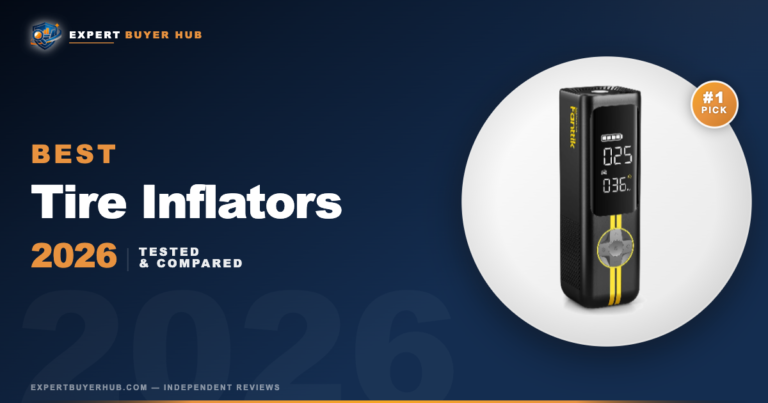
We tested the top 5 tire inflators of 2026 side by side. See our expert ratings, pros and cons, and find out which portable air compressor delivers the best value.
We tested the top 5 dash cams of 2026 side by side. See our expert ratings, pros & cons, and find out which dash cam delivers the best value for your vehicle.
Our automotive reviews follow our 4-pillar testing protocol — real-vehicle compatibility across multiple makes and models, durability under temperature extremes (from winter cold starts to summer heat), accuracy of readings and alerts under real driving conditions, and build quality benchmarks. We compare against 10+ criteria and verify with at least 20 hours of hands-on use per product category. Read more about our full methodology.
Frequently Asked Questions
What should I check before buying automotive accessories?
Check compatibility first: vehicle size, power source, mounting method, app support, and whether the product fits your actual driving routine. A good accessory should solve a real problem without making the car harder to use.
Are budget car tools and accessories worth it?
Budget picks can be fine for simple jobs, but we are more cautious with products tied to visibility, diagnostics, batteries, or roadside use. Reliability matters more when the product is used during a stressful moment.
Do EBH automotive guides replace professional advice?
No. Our guides help compare consumer products and use cases. For repairs, safety systems, warning lights, or legal compliance, follow your vehicle manual and a qualified mechanic.
What automotive features are usually overhyped?
Overly broad app claims, inflated power numbers, and vague “pro-grade” labels are common. We look for practical fit: clear setup, dependable hardware, useful included accessories, and credible owner feedback.