Health & Wellness Buying Guides — Expert-Tested Picks
Whether you’re shopping for a fitness tracker that goes beyond step counts to give you actionable recovery data, a massage gun that targets deep muscle soreness after a tough training session, or resistance bands versatile enough to carry a full home-gym program while you travel, our health and wellness buying guides put measurable performance first. We test for accuracy against clinical benchmarks, durability under daily sweat and physical wear, and the kind of real-world usability that keeps you consistent over months — not just the first optimistic week after purchase.
Showing all 6 Health & Wellness guides currently published.
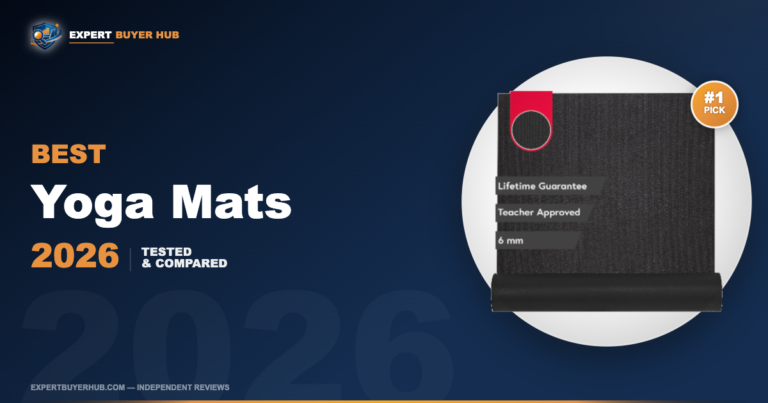
We compared the best yoga mats for grip, cushioning, hot yoga, beginners, and home practice. See our 2026 top picks from premium to budget-friendly options.
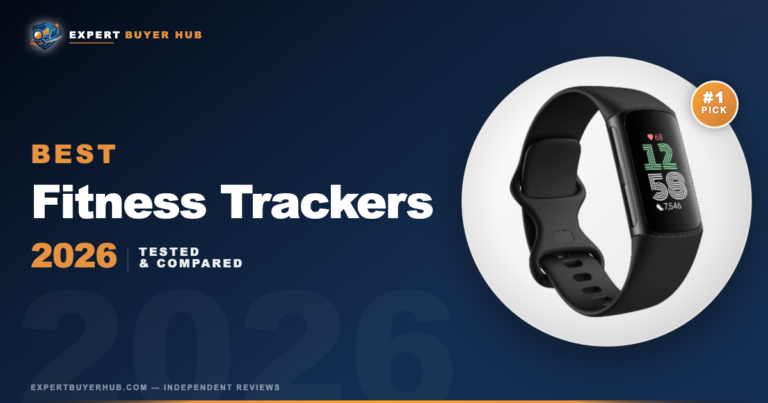
We tested the top 5 fitness trackers of 2026 side by side. See our expert ratings, pros & cons, and find out which tracker delivers the best value for your health goals.
Compare the 5 best air purifiers of 2026. Expert analysis of HEPA filtration, room coverage, noise levels, and filter costs to help you breathe cleaner air.
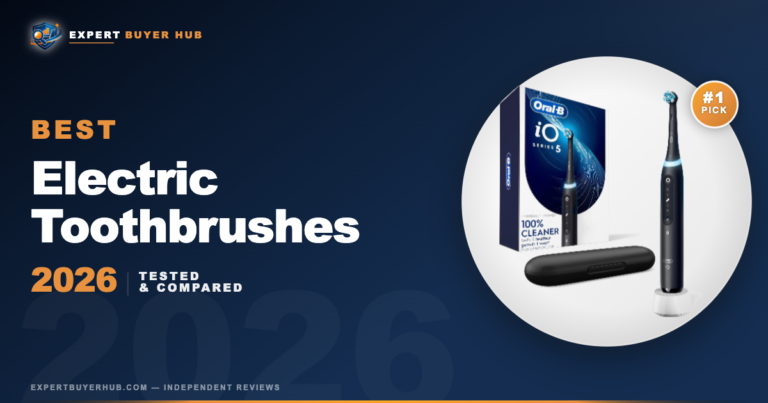
We tested the top 5 electric toothbrushes of 2026 side by side. See our expert ratings, pros & cons, and find out which electric toothbrush delivers the best value.
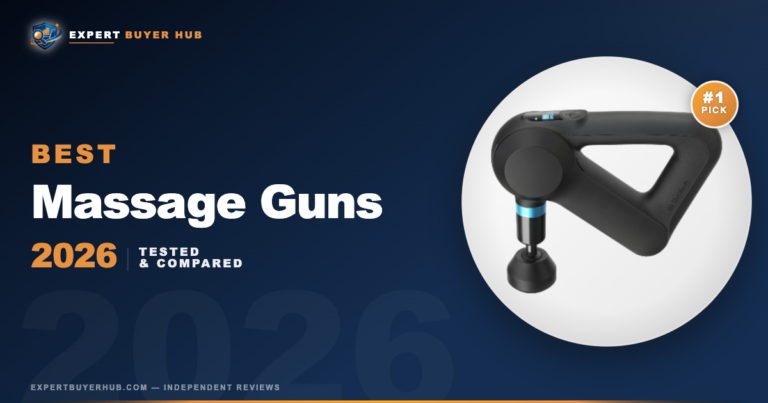
We tested the top 5 massage guns of 2026 side by side. See our expert ratings, pros & cons, and find out which massage gun delivers the best value for muscle recovery.
Our health and wellness product reviews follow our 4-pillar testing protocol — accuracy of health and fitness metrics benchmarked against validated reference devices, durability under daily use including sweat and physical stress, ergonomics and ease of integration into existing routines, and value across budget and premium tiers. Each category is tested for a minimum of three weeks to capture real long-term performance. Read more about our full methodology.
Frequently Asked Questions
How should I use EBH health and wellness guides?
Use them for product fit, comfort, ease of use, and feature comparison. They are not medical advice. If a purchase relates to a diagnosed condition or treatment plan, check with a qualified professional.
What matters most in personal health products?
Accuracy, comfort, cleaning, battery life, and clear instructions matter more than trendy features. We also look for products that make consistent daily use easier, because the best device is the one you keep using correctly.
Are app-connected wellness products better?
Only if the app helps you notice patterns or use the product correctly. If the app adds setup friction, subscriptions, or confusing alerts, a simpler product may be the better buy.
How do we handle wellness claims?
We keep claims conservative. We compare features and user fit, but we do not promise health outcomes from a product. Strong claims need strong evidence, not marketing copy.